
Stop Safe This Summer: The Importance of Regular Brake Inspections

Sher Se • September 2, 2024

Summer driving is demanding on brakes. Road trips load the vehicle with passengers and luggage, highway traffic stops without warning, and hot pavement adds to the heat your brakes already generate. Your brakes are the most important safety system on the vehicle, and their parts wear a little with every stop. A regular brake inspection is how you make sure they are ready when you need them.


What a Brake Inspection Does for You

  1. Early detection of wear and damage: a trained technician can spot worn, damaged, or malfunctioning parts well before they cause a problem you would notice from the driver's seat. Finding them early is what prevents brake failure.
  2. Consistent brake performance: pads, rotors, and other components wear down from friction and heat. Monitoring their condition lets you replace them at the right time, so the pedal stays firm and responsive.
  3. Lower repair costs: a worn pad that is ignored will eventually damage the rotor, and sometimes the caliper. Catching wear early keeps a routine pad replacement from turning into a much larger repair.


How Inspections Keep You Safe on the Road

  1. Shorter stopping distances: worn pads and rotors take longer to stop the vehicle, which leaves you less room to react. Brakes in good condition give you the shortest stop your vehicle can deliver.
  2. Confidence behind the wheel: knowing your brakes have been checked lets you focus on the road instead of wondering about the pedal.
  3. Lower risk of a crash: in an emergency, well-maintained brakes can be the difference between a close call and a collision. Regular inspections reduce the chance of failure at the moment it matters most.


Regular brake inspections protect your stopping power and your budget. Address small issues early, and your braking system stays reliable and ready to protect you and your family. If it has been a year or more since your last brake check, schedule one before your summer travel. Visit our brake repair page, call All-Star Automotive in Pleasant Valley at (816) 736-3332 , or contact us .

Recent Posts

By Sher Se • October 1, 2026
Cooler fall weather in the Kansas City area affects tire pressure, brakes, visibility and batteries. See what to check on your vehicle before winter.
By Sher Se • September 3, 2026
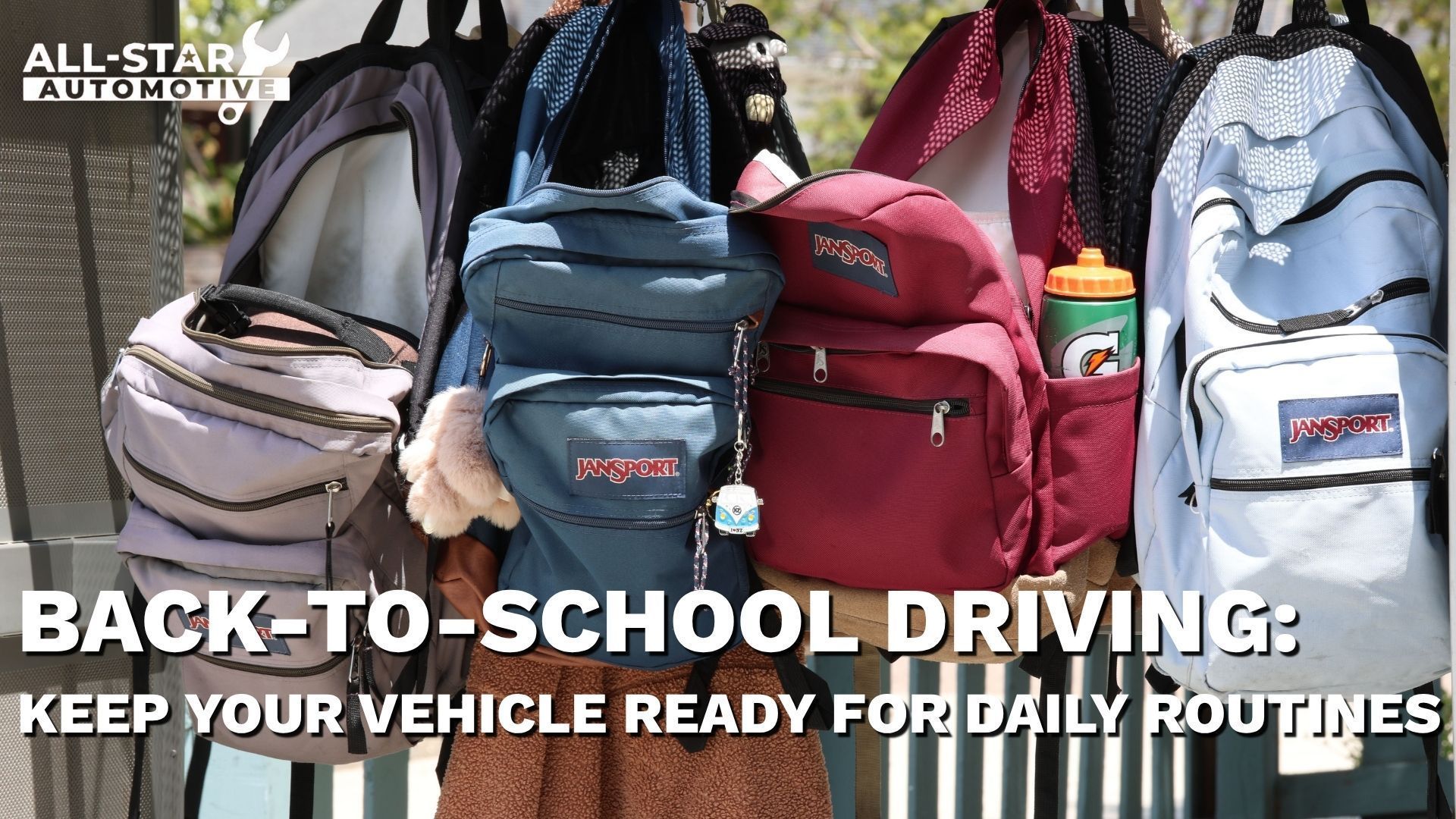
More school-year trips mean more wear on brakes, tires and batteries. Use this checklist to keep your family's vehicle ready in Pleasant Valley, MO.
By Sher Se • July 14, 2026
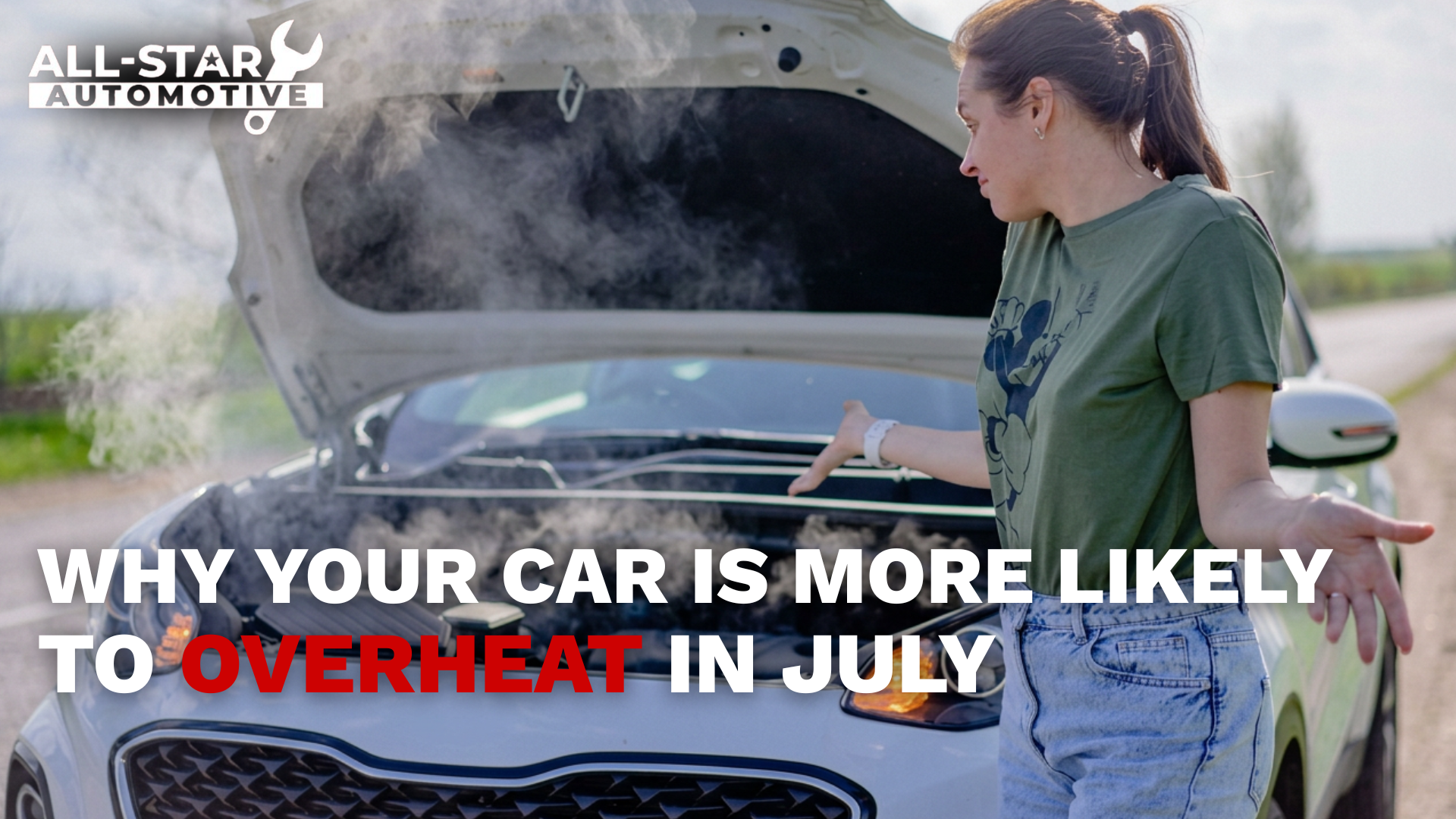
Learn why cars overheat in summer, the warning signs to watch for, and how cooling system testing in Pleasant Valley, MO can help prevent engine damage.
By Sher Se • June 11, 2026
Car AC blowing hot air? Learn the common causes, from low refrigerant to a failing compressor, and when to schedule A/C repair in Pleasant Valley, MO.

By Sher Se • May 15, 2026
Planning a Memorial Day road trip from the Kansas City area? Learn what to check before you go, from tires and brakes to the battery, fluids and A/C.
By Sher Se • April 8, 2026
Learn how preventative maintenance and smoother driving can improve fuel economy, lower emissions and extend your car's life. Earth Day tips from All-Star.
By Sher Se • March 13, 2026
Winter is hard on vehicles. Use this spring car maintenance checklist from All-Star Automotive in Pleasant Valley, MO to see what to inspect after winter.

By Sher Se • February 13, 2026
Late winter weather is hard on batteries, tires, brakes and fluids. See what to check this February with All-Star Automotive in Pleasant Valley, MO.
By Sher Se • January 21, 2026
Start the year with a January car maintenance checklist covering battery, fluids, tires, brakes and alignment from All-Star Automotive in Pleasant Valley.
By Sher Se • December 11, 2025
Cold weather weakens car batteries. Learn the signs of a failing battery and how to prevent a no-start, then get a battery test in Pleasant Valley, MO.