Missouri winters are hard on vehicles. Freezing temperatures, potholes, road salt, and ice put real stress on parts you rarely think about. When spring reaches Pleasant Valley and the rest of the Kansas City area, it is the right moment to look your vehicle over and deal with what winter left behind.
A spring checklist protects the vehicle from long-term wear, improves safety, and gets it ready for warm weather and road trips. Here is what to check: tires, suspension, battery, brakes, fluids, wipers, and belts and hoses.
Why Spring Maintenance Matters
Winter driving causes problems that don't show up right away. Common ones include:
- Wheel alignment knocked out by potholes
- Suspension wear from rough roads
- A battery weakened by cold starts
- Brake corrosion from road salt
- Tire damage from temperature swings
A spring inspection lets a technician catch these while they are still small. At All-Star Automotive, our ASE-certified technicians perform thorough inspections so your vehicle is safe and dependable for the season ahead.
Spring Car Maintenance Checklist
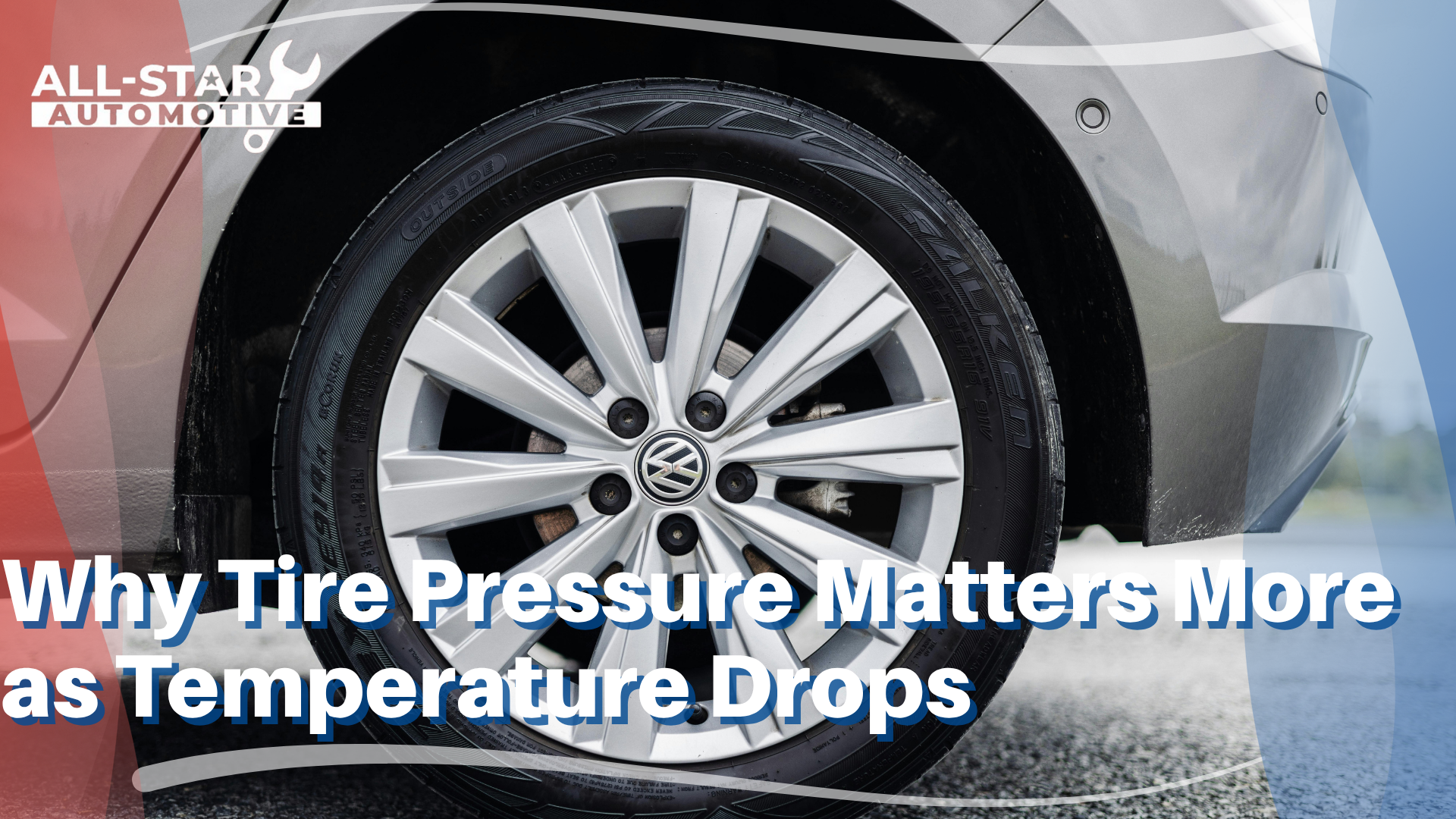
1. Inspect Tires and Tire Pressure
Temperature changes affect both pressure and tread wear. Look for:
- Uneven tread wear
- Low pressure
- Sidewall cracks or bulges
- Pothole damage
Uneven wear often points to an alignment problem, which is common after a winter of freeze-thaw potholes on Kansas City area roads.
2. Check Alignment and Suspension
Signs you may need an alignment:
- The vehicle pulls to one side
- The steering wheel sits off center
- Vibration while driving
- Uneven tire wear
Shocks, struts, and control arms should be inspected as well, since they determine handling and ride comfort.
3. Test the Battery
Cold weather is a leading cause of battery failure. A battery that started fine all winter may still have lost capacity. Watch for:
- Slow cranking
- Dim headlights
- Electrical issues
- Corrosion at the terminals
4. Inspect the Brakes
Salt and moisture speed up brake wear. A spring brake inspection covers:
- Pads and rotors
- Brake fluid condition
- Brake lines, checked for corrosion
- Caliper operation
Squealing, grinding, or vibration when you brake means the vehicle should be inspected right away.
5. Check Fluids
- Engine oil
- Brake fluid
- Transmission fluid
- Coolant
- Power steering fluid
- Windshield washer fluid
Fresh fluids keep the engine and other systems working efficiently through the warm months.
6. Replace Wipers and Check Visibility
Snow and ice are rough on wiper blades. Replace them if you see streaking, skipping, or cracked rubber. Clear visibility matters in spring rainstorms.
7. Inspect Belts, Hoses, and Filters
Winter temperature swings leave rubber brittle. Our technicians check serpentine belts, cooling system hoses, engine air filters, and cabin air filters. Replacing a worn part early prevents a breakdown later.
Get Your Vehicle Ready for Spring in Pleasant Valley, MO
At All-Star Automotive, our ASE-certified technicians inspect your vehicle thoroughly and give you honest recommendations. Our digital vehicle inspections include photos and videos, and you can approve repairs with one click. Most repairs are backed by a 5-year/50,000-mile nationwide warranty. If your vehicle hasn't been looked at since winter, call
(816) 736-3332 or
contact us .
Spring Car Maintenance FAQ
What maintenance should be done in the spring?
Check tire pressure, inspect the brakes, test the battery, replace worn wipers, check fluids, and inspect suspension parts affected by winter roads.
Why do potholes affect wheel alignment?
The sudden impact can shift suspension components and knock the wheels out of alignment, which leads to uneven tire wear, steering problems, and poor handling.
How often should alignment be checked?
At least once a year, and any time you notice uneven tire wear, a steering change, or a hard pothole hit.
Why do car batteries fail after winter?
Cold reduces battery capacity while the engine needs more power to start. That combination weakens a battery, and the failure often appears once temperatures rise.
When should windshield wipers be replaced?
Generally every 6 to 12 months, and especially after a winter of ice and snow.
Where can I get a spring car inspection near Kansas City?
All-Star Automotive in Pleasant Valley serves drivers across the Kansas City Northland with inspections by ASE-certified technicians.