
Cooler fall weather in the Kansas City area affects tire pressure, brakes, visibility and batteries. See what to check on your vehicle before winter.
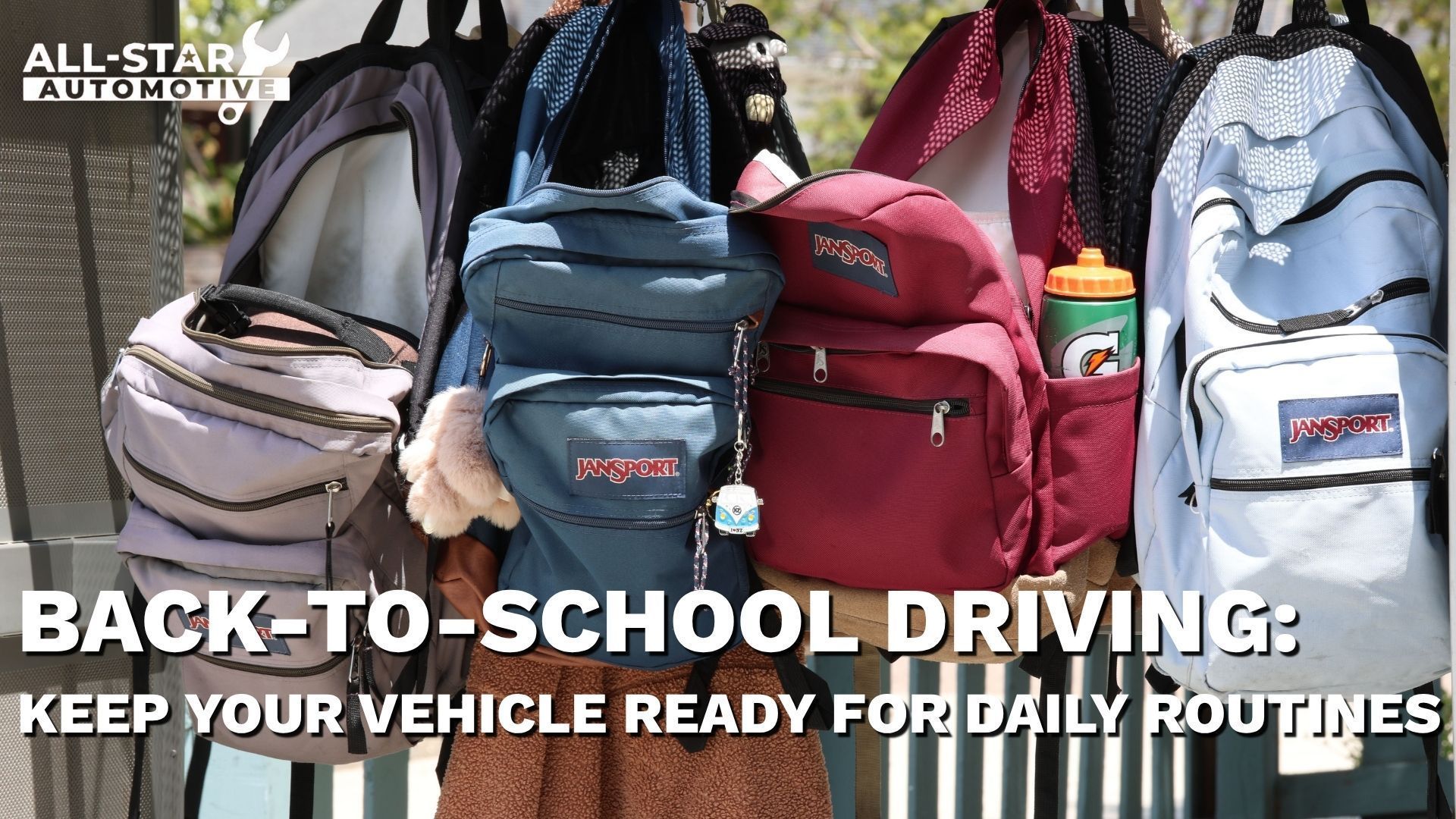
More school-year trips mean more wear on brakes, tires and batteries. Use this checklist to keep your family's vehicle ready in Pleasant Valley, MO.
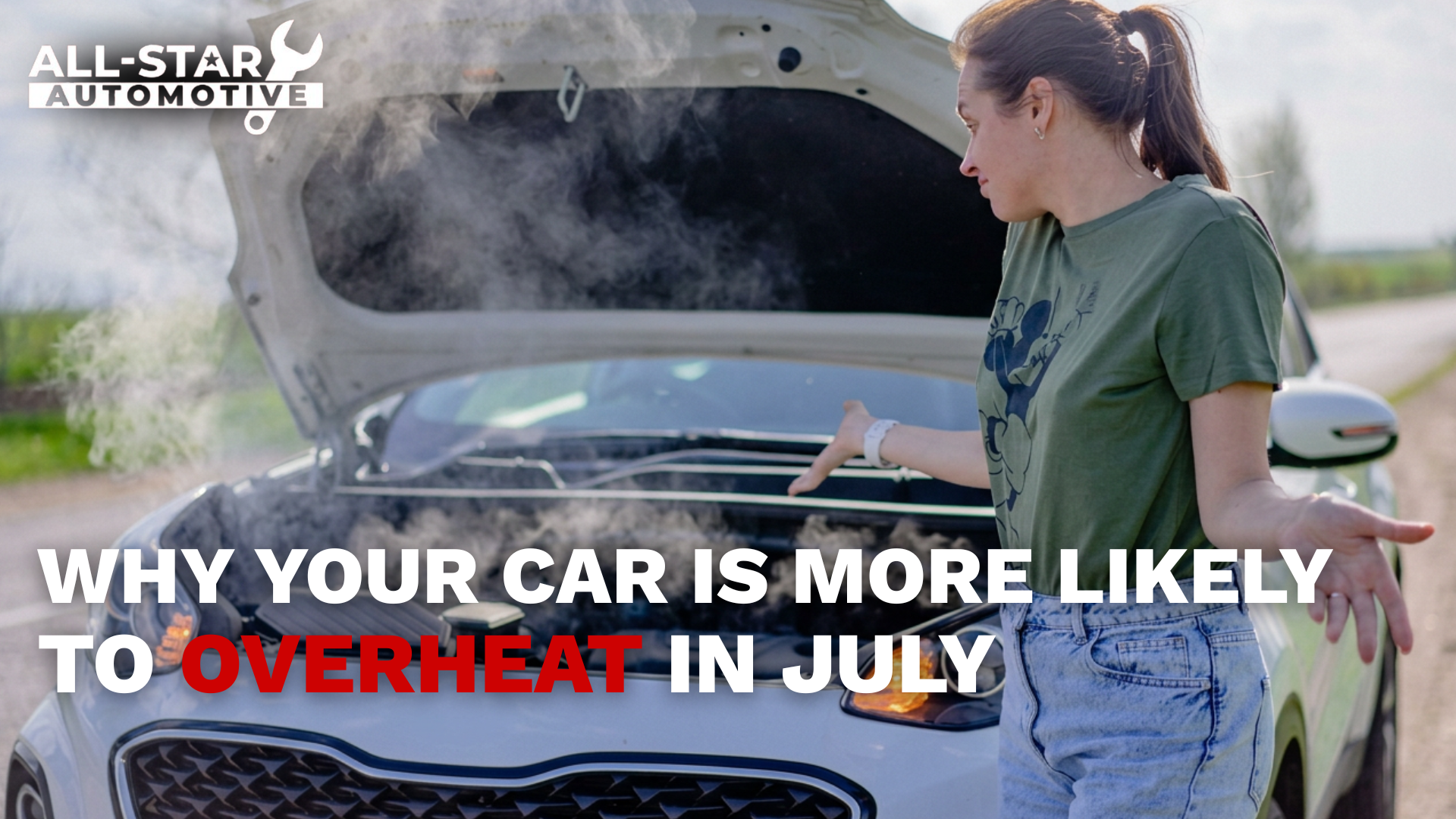
Learn why cars overheat in summer, the warning signs to watch for, and how cooling system testing in Pleasant Valley, MO can help prevent engine damage.
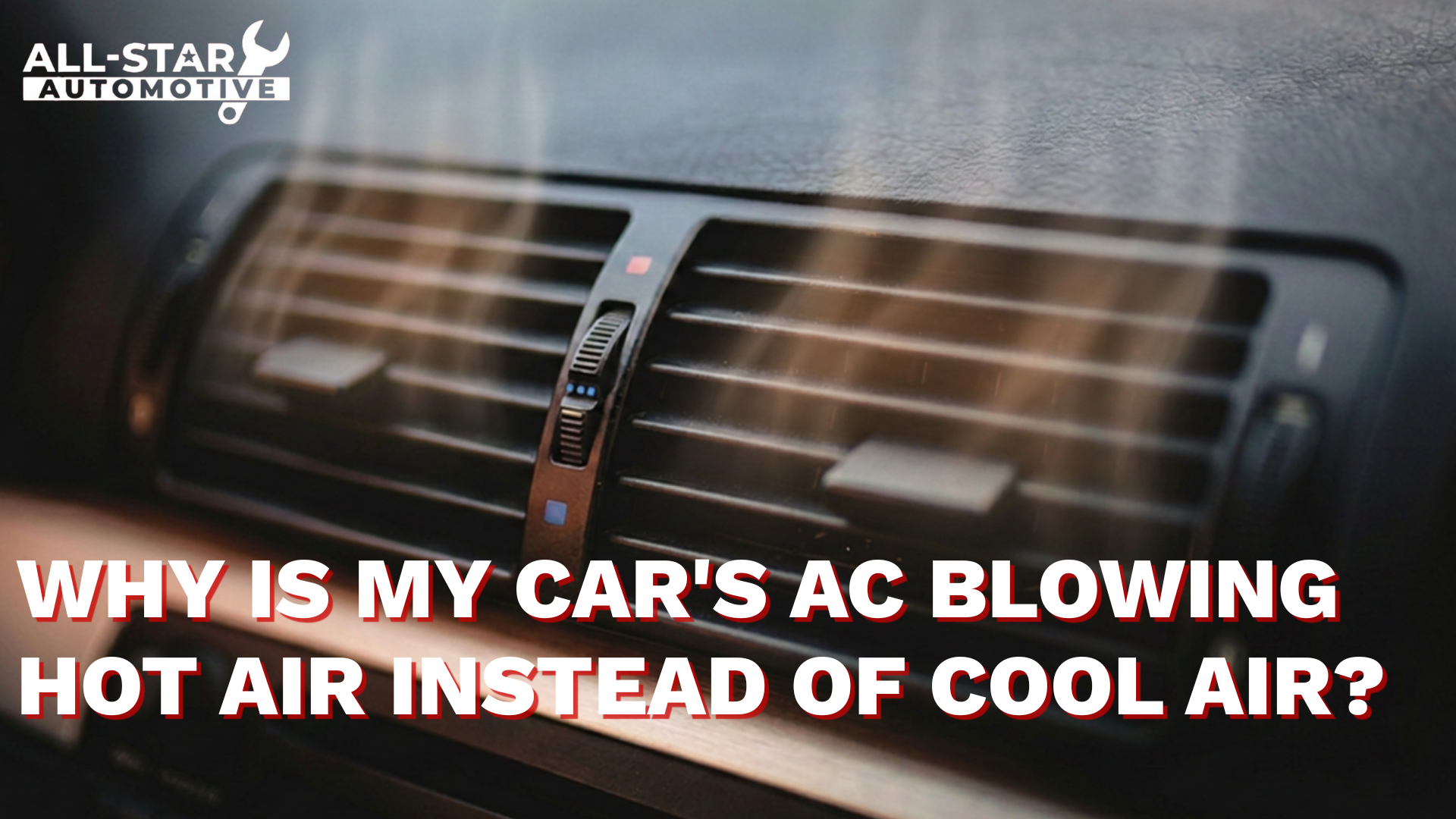
Car AC blowing hot air? Learn the common causes, from low refrigerant to a failing compressor, and when to schedule A/C repair in Pleasant Valley, MO.
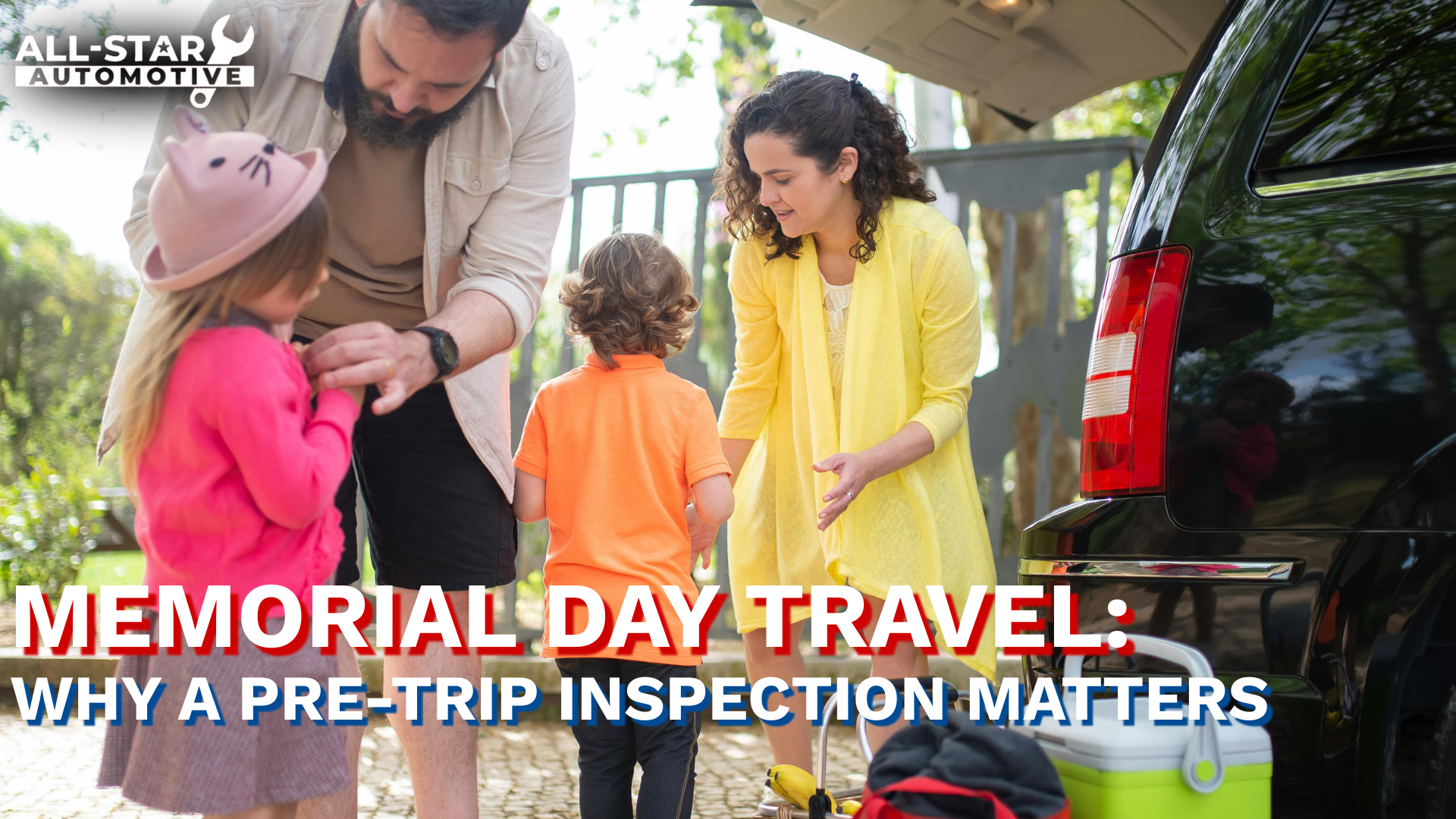
Planning a Memorial Day road trip from the Kansas City area? Learn what to check before you go, from tires and brakes to the battery, fluids and A/C.
Learn how preventative maintenance and smoother driving can improve fuel economy, lower emissions and extend your car's life. Earth Day tips from All-Star.
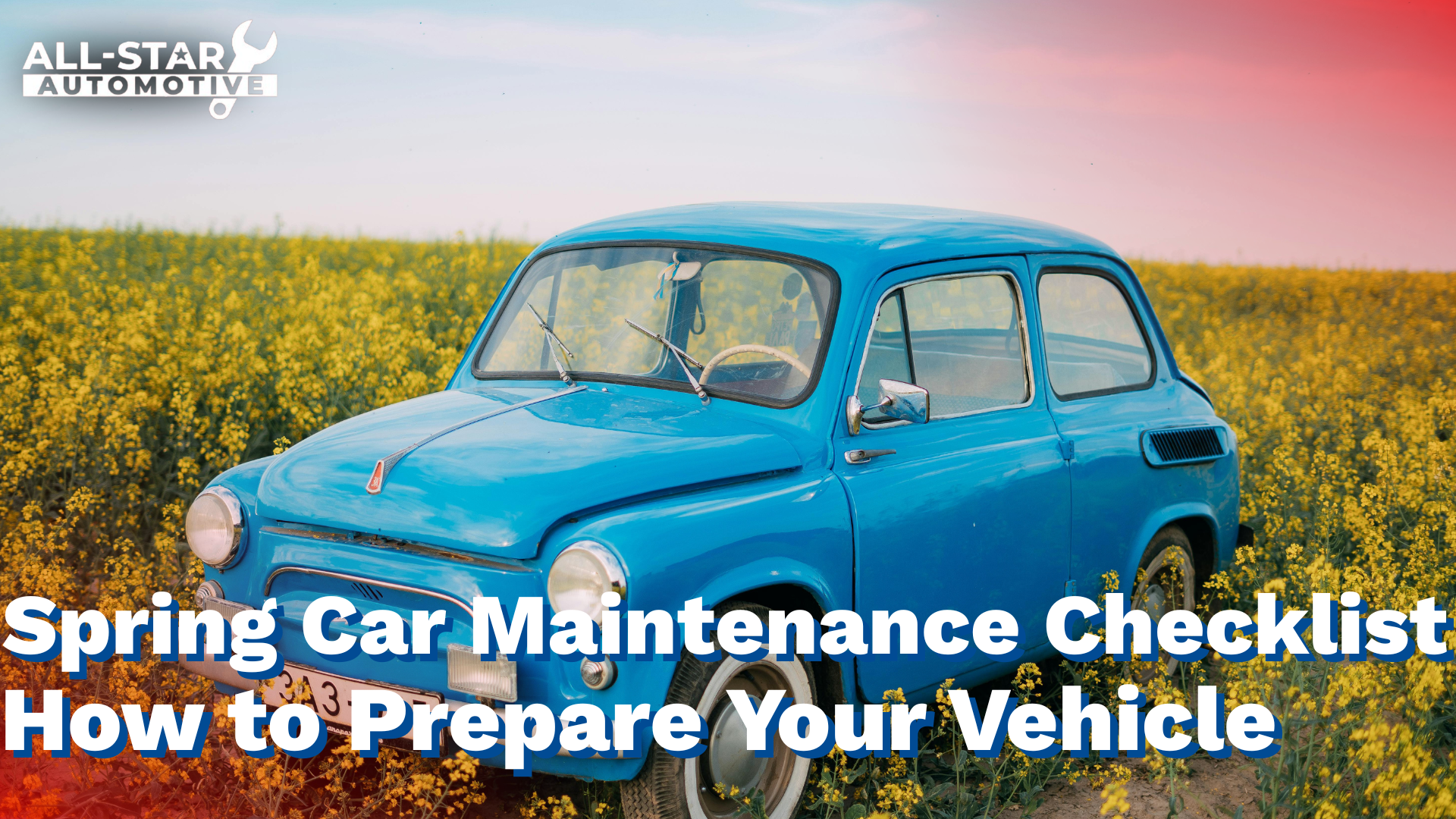
Winter is hard on vehicles. Use this spring car maintenance checklist from All-Star Automotive in Pleasant Valley, MO to see what to inspect after winter.

Late winter weather is hard on batteries, tires, brakes and fluids. See what to check this February with All-Star Automotive in Pleasant Valley, MO.
Start the year with a January car maintenance checklist covering battery, fluids, tires, brakes and alignment from All-Star Automotive in Pleasant Valley.
Cold weather weakens car batteries. Learn the signs of a failing battery and how to prevent a no-start, then get a battery test in Pleasant Valley, MO.