A warning light on the dashboard raises two questions right away: what does it mean, and can I keep driving? Some lights are reminders that can wait until the weekend. Others mean you should pull over now. Knowing which is which protects your safety and can save you from an expensive repair. Here are nine common warning lights, what each one looks like, and what to do when it comes on.
1. Check Engine Light
The
check engine
light is the most common warning and one of the most misunderstood. It can be triggered by something as small as a loose gas cap or by a serious engine problem.
What to do:
if the light is steady, schedule a diagnostic check soon. If it is flashing, pull over when it is safe and call for roadside assistance. A flashing light signals a severe problem that can cause further damage if you continue to drive.
2. Oil Pressure Warning Light
This light looks like an old-fashioned oil can. It means oil pressure is low, and an engine cannot run long without oil pressure before it is badly damaged.
What to do:
stop driving as soon as you safely can and check the oil level. If it is low, add oil and see whether the light goes out. If the light stays on, have the vehicle towed to a repair shop.
3. Battery Charge Warning Light
Shaped like a battery, this light indicates a problem in the electrical charging system, usually involving the battery or the alternator.
What to do:
turn off any electrical accessories you do not need and drive to a service center. If the vehicle stalls and will not restart, it may need a jump start, a new battery, or charging system repair.
4. Brake System Warning Light
This light appears as an exclamation mark inside a circle or as the word BRAKE. It can mean the parking brake is still on, the brake fluid is low, or there is a fault in the braking system, such as worn
brake pads .
What to do:
confirm that the parking brake is fully released, then check the brake fluid level. If the light stays on, or the brakes feel different in any way, have them inspected immediately.
5. Tire Pressure Monitoring System (TPMS) Light
This light looks like an exclamation point inside a horseshoe shape. It means that one or more tires are underinflated.
What to do:
check all four tires with a gauge and inflate them to the recommended pressure. If the light remains on, there may be a leak in a tire or a fault in the monitoring system.
6. Coolant Temperature Warning Light
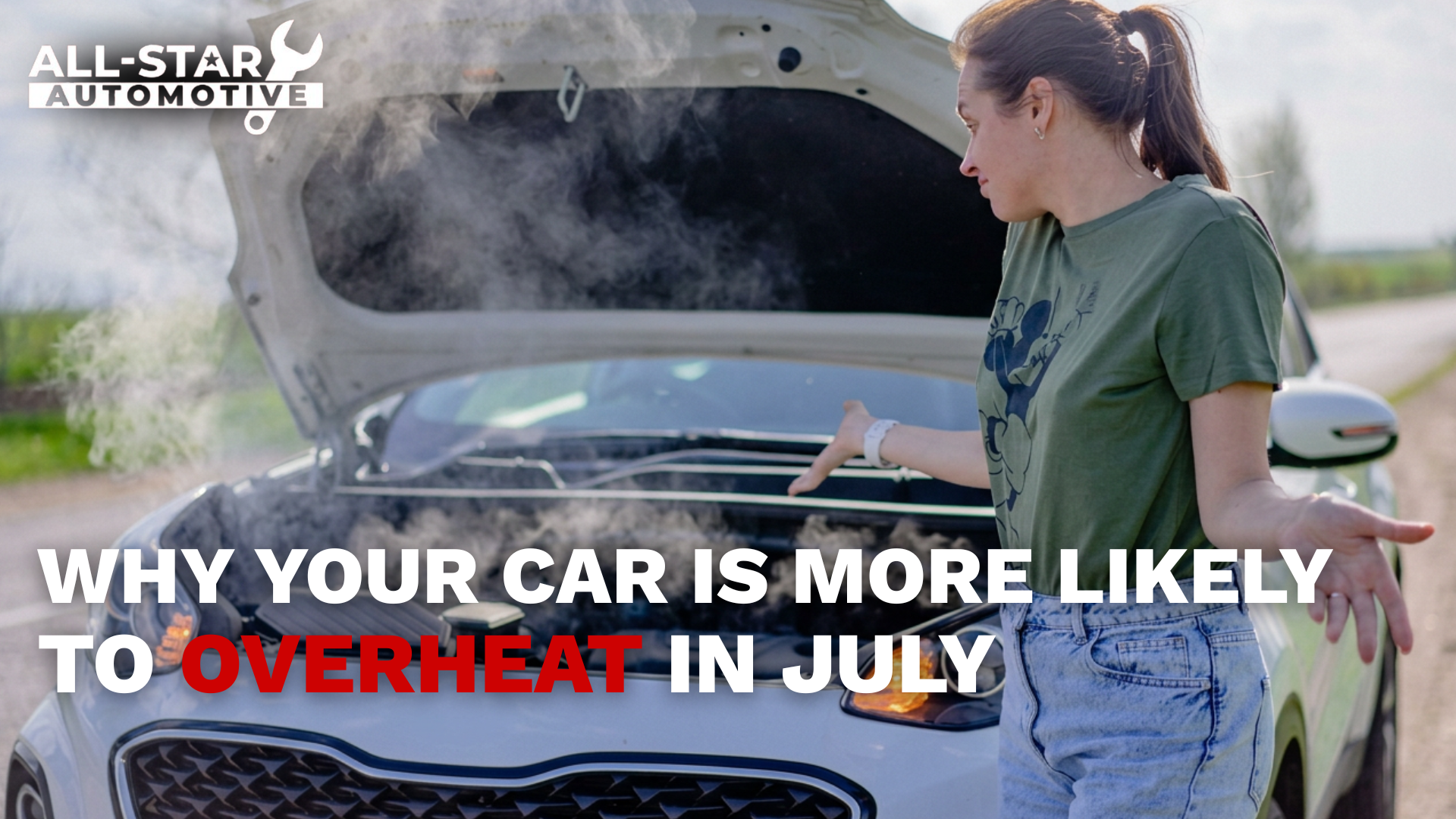
This light resembles a thermometer and signals that the engine is overheating.
What to do:
pull over and shut the engine off right away. Wait until the engine has cooled completely before you check the coolant level, and never open a hot radiator cap. If the level is low, add coolant. If the problem returns, call for assistance, because driving an overheated engine can cause severe damage.
7. ABS Warning Light
The ABS light indicates a problem with the anti-lock braking system.
What to do:
your regular brakes will still work, but the anti-lock function may not. Have the system checked so your brakes are fully operational when you need them on a slick road.
8. Airbag Warning Light
This light usually shows a seated figure with a circle in front of it. It indicates a fault involving one or more airbags.
What to do:
have the vehicle inspected as soon as possible. While the light is on, the airbags may not deploy correctly in a collision.
9. Traction Control Warning Light
This light is often shown as a car with wavy lines behind it. It relates to the traction control system.
What to do:
if the light flashes while you are driving, the system is actively working to maintain grip, and that is normal. If it stays on, have the system inspected.
Your warning lights exist to tell you that something needs attention. Understanding what they mean, and responding promptly, keeps your vehicle in good condition and keeps you safe. Regular maintenance prevents many of these lights from ever coming on. If you are unsure about a light, check your owner's manual, or call All-Star Automotive in Pleasant Valley at
(816) 736-3332
or
contact us . We are glad to help.