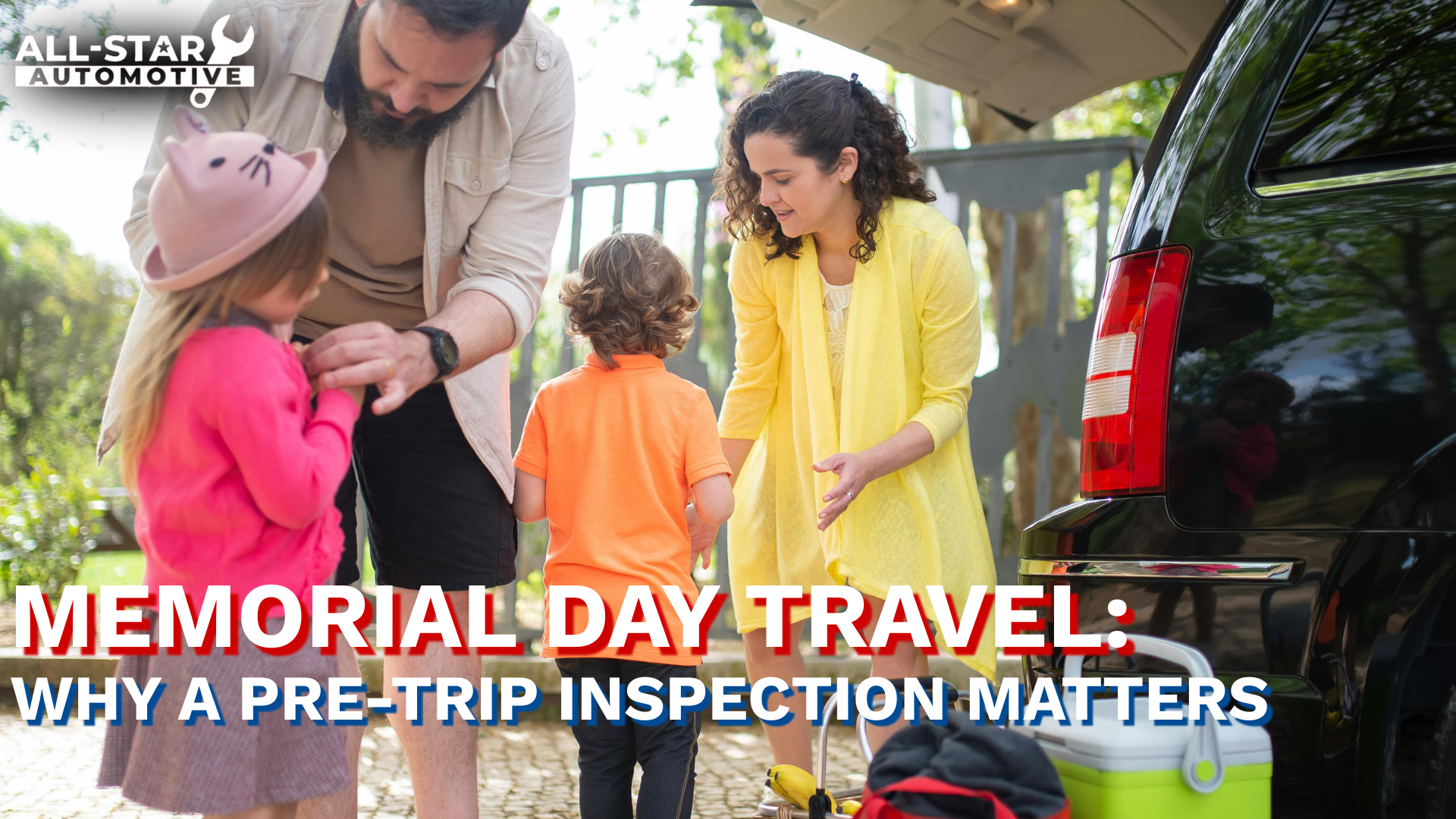
Heading home for the holidays or loading up the car for spring break is one of the best parts of college life. A breakdown two hours from anywhere is not. Whether you attend William Jewell, UMKC, Park University, or another Kansas City area college, a few checks before you leave will make the drive safer and far less stressful.
1. Start With the Fluids
Your car depends on several fluids to run, cool itself, and stop. Before a long drive, look at:
- Engine oil: oil that is low or overdue for a change is hard on an engine, and highway miles make it worse.
- Coolant: the right level keeps the engine from overheating in summer and from freezing in winter.
- Brake fluid: a low level can change how the pedal feels and how well the car stops.
- Washer fluid: you will want a full reservoir when road spray or bugs cover the windshield.
Pro tip: if you cannot remember your last
oil change , get one done before the trip instead of after it.
2. Look Over Your Tires
Your tires do more for your safety than any other part of the car, so give them a few minutes.
- Tread depth: worn tires lose grip quickly on wet or snowy roads.
- Air pressure: low pressure wastes fuel and raises the risk of a blowout at highway speed.
- The spare: make sure it holds air and that the jack and lug wrench are in the car.
Pro tip: try the penny test. Place a penny in the tread with Lincoln's head pointing down. If you can see the top of his head, the tire is due for replacement.
3. Test the Battery
A dead battery in a rest stop parking lot is a rough way to start a break. Watch for these warning signs:
- The engine turns over slowly when you start it.
- Headlights dim at idle.
- The radio, power windows, or other electronics act up.
If the battery is more than three years old, or you have noticed any of the signs above, have it
tested before you go. A test takes only a few minutes.
4. Pack an Emergency Kit
Good preparation lowers the odds of trouble, but it never brings them to zero. Keep these in the trunk:
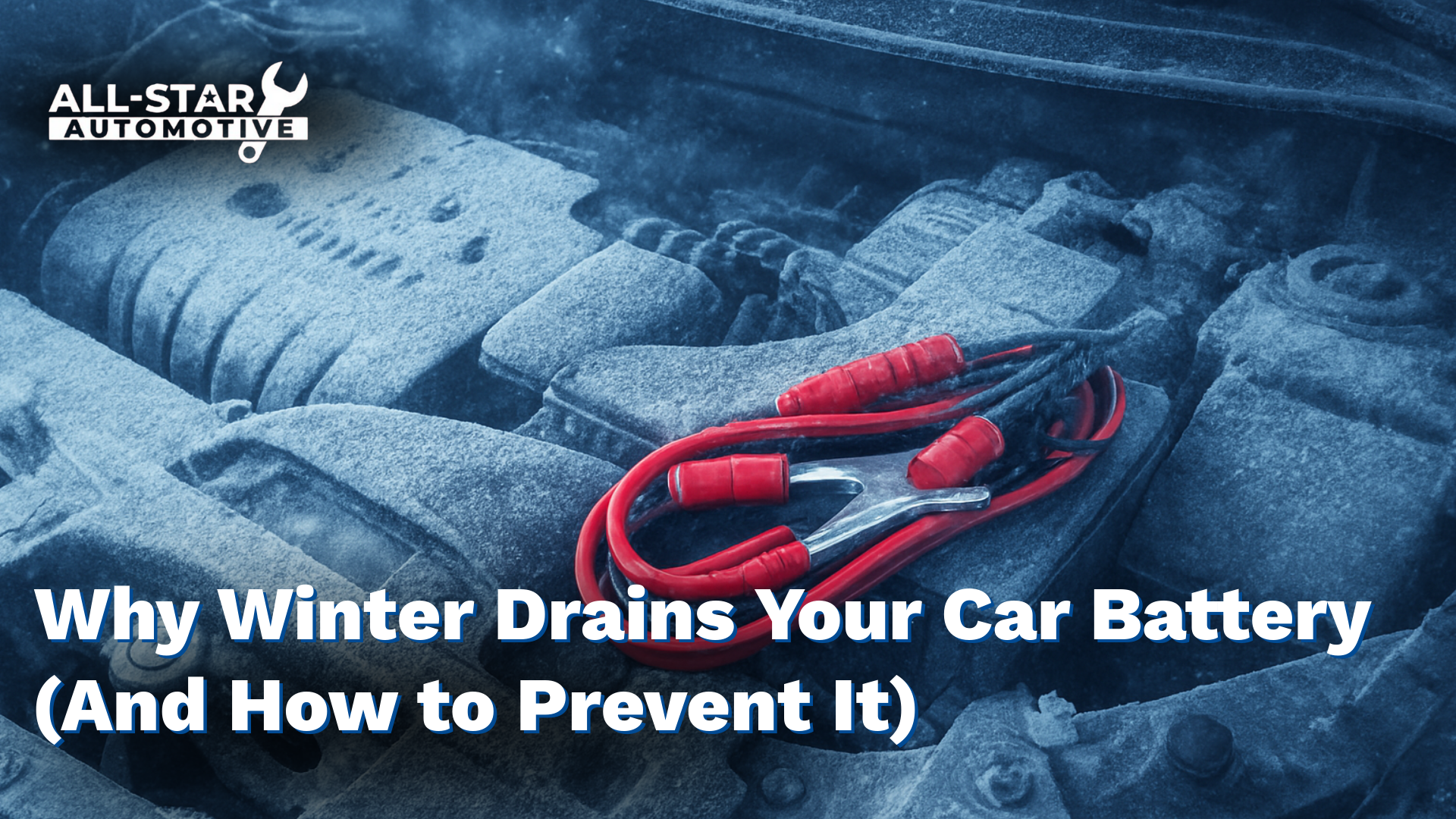
- Jumper cables: the fix for the most common roadside problem.
- Flashlight and spare batteries: for anything that happens after dark.
- Basic tools: a screwdriver, pliers, and a roll of duct tape solve more problems than you would expect.
- First-aid kit: for minor cuts and scrapes.
- Blanket and extra layers: essential if you are stuck in cold weather.
- Water and non-perishable snacks: in case help takes a while.
5. Plan the Route and Check Conditions
Whether you are driving a few hours home or all the way to the coast, a little planning saves time and stress.
- Use a navigation app such as
Google Maps or
Waze for live traffic.
- Know where the
gas stations and rest stops are, especially on long rural stretches.
- Check the
weather forecast for the whole route. Ice and heavy rain change how long the drive takes and how you should drive it.
6. Road Trip Safety Habits
- Put the phone away: turn on Do Not Disturb while you drive.
- Hold the speed limit: a ticket, or a crash, costs far more than the few minutes you would save.
- Take breaks: stop every couple of hours to stretch and reset your focus.
- Share your plan: tell a friend or family member your route and when you expect to arrive.
Get a Pre-Trip Check in Pleasant Valley
Before you leave town, bring your car to All-Star Automotive in Pleasant Valley, a short drive from Liberty and the rest of the Northland. Our ASE-certified technicians will check the fluids, tires, battery, brakes, and belts, and they will send you photos and videos of what they find so you know exactly where your car stands before you hit the highway.
Call
(816) 736-3332 or
contact us to schedule your road trip inspection.